
-

JMC
-

Dinah
-

White Flower
-

Walt
-

Wig
-
Wig Too
-
![Doily]()
Doily
-
![Badminton Player]()
Badminton Player
-
![Gentlewoman]()
Gentlewoman
-
![Fighter]()
Fighter
-
![Breasts]()
Breasts
-
![Victorian Lady]()
Victorian Lady
-
![Portrait of a Lady]()
Portrait of a Lady
-
![Victorian Man]()
Victorian Man
-
![Green Shirt]()
Green Shirt
-
![Buttons]()
Buttons
-
![Curls]()
Curls
-
![Lover Boy]()
Lover Boy
-
![Widow]()
Widow
-
![Young Man]()
Young Man
-
![Prodigy]()
Prodigy
-
![Young Woman]()
Young Woman
-
![Napoleon/Putin]()
Napoleon/Putin
-
![Playboy]()
Playboy
-
![Dignitary]()
Dignitary
-
![Peg]()
Peg

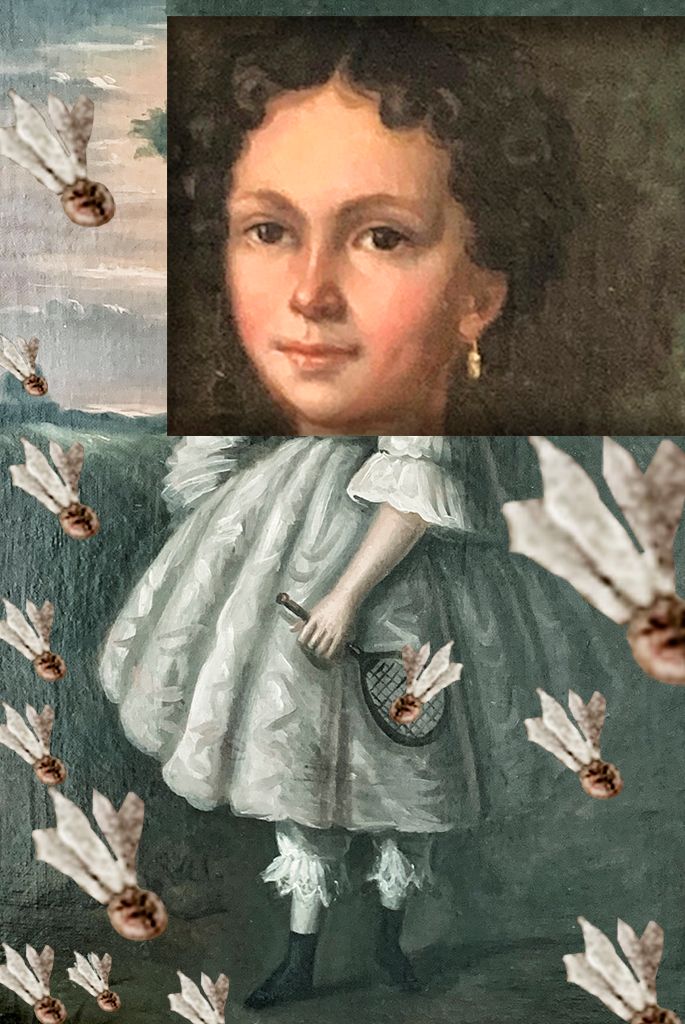
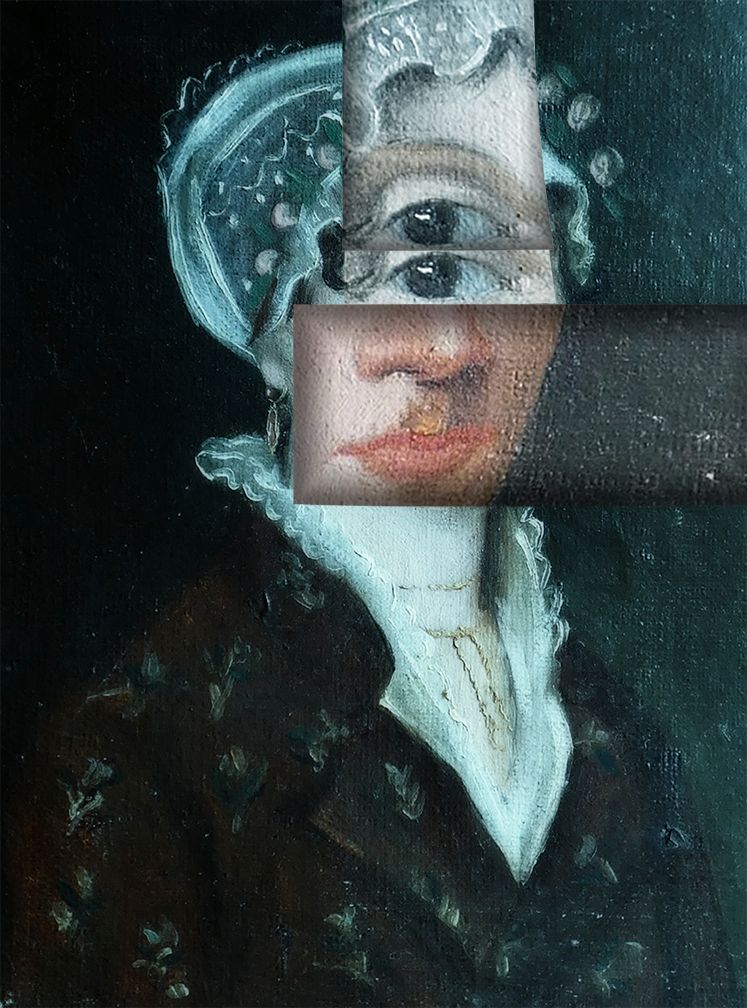
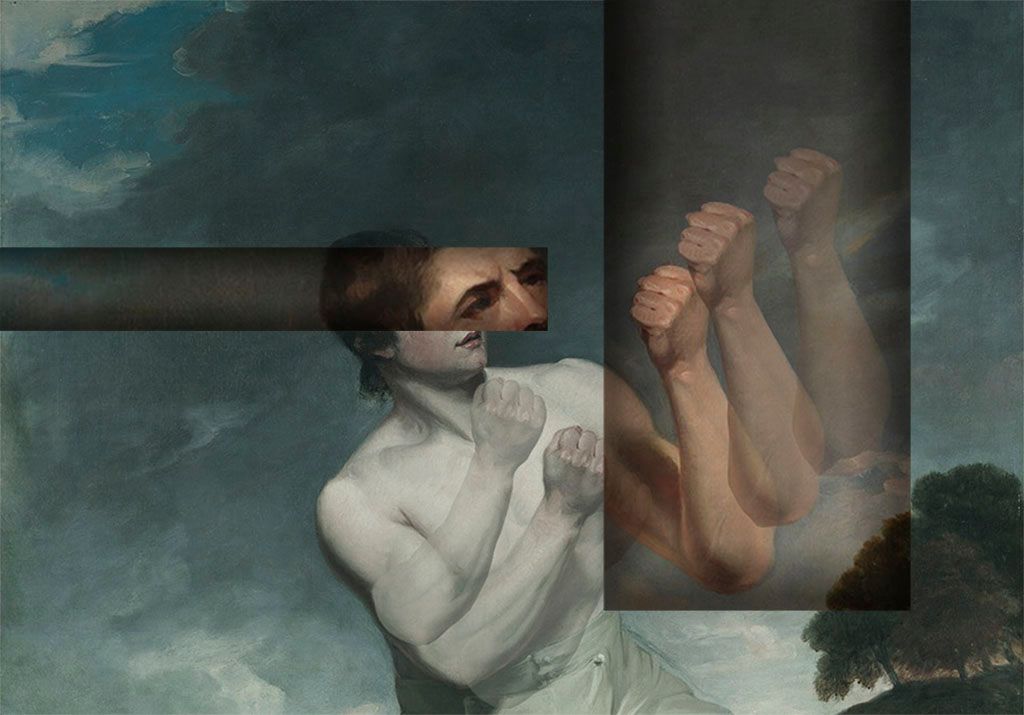
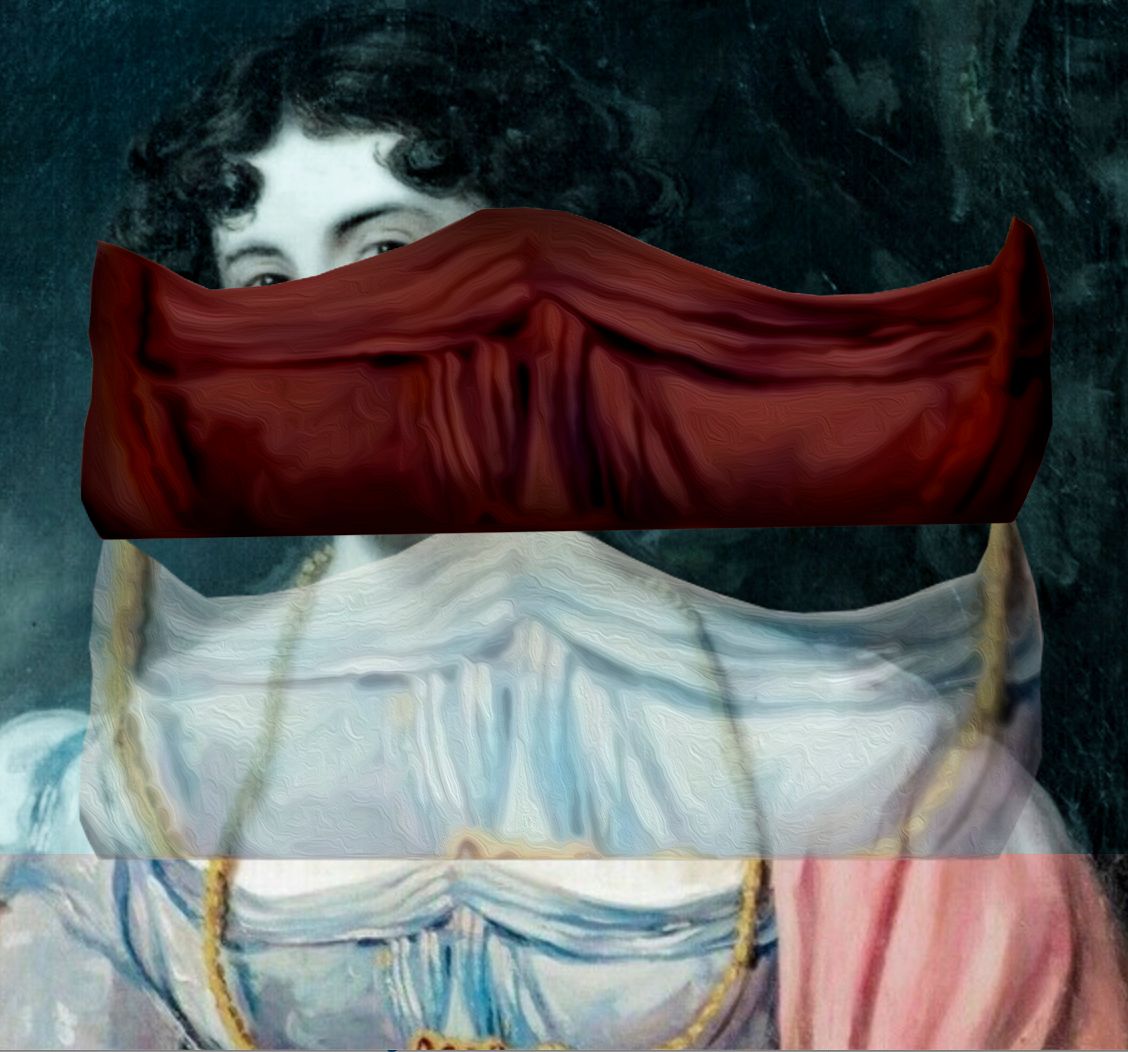
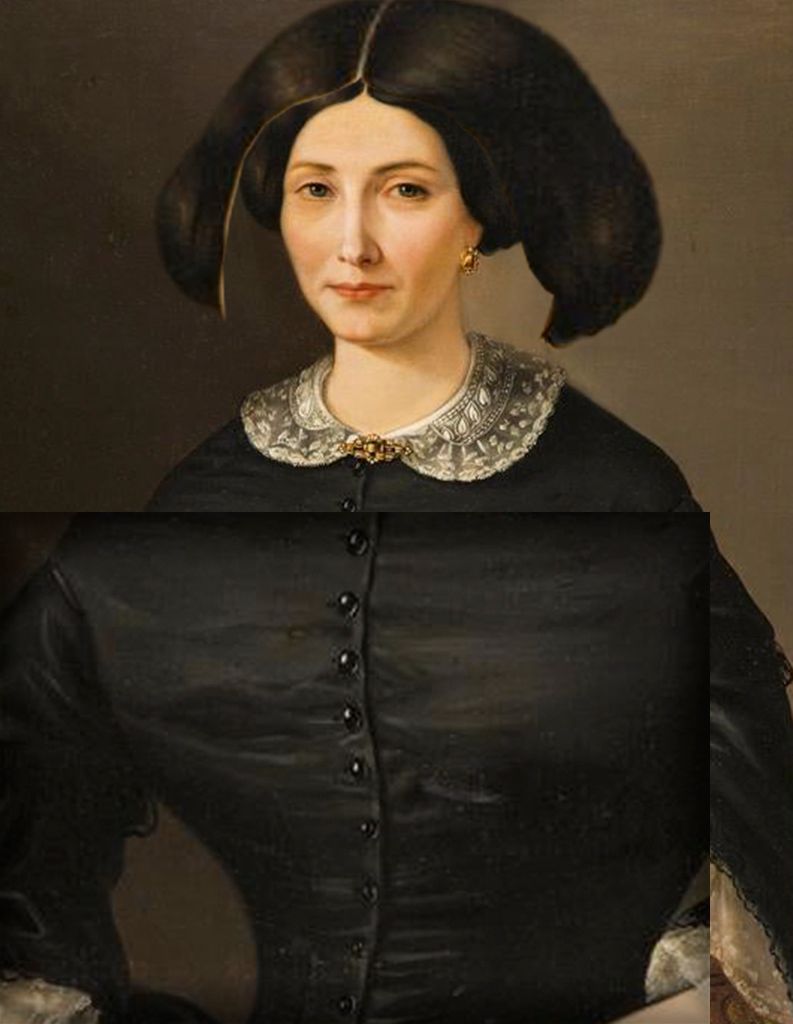
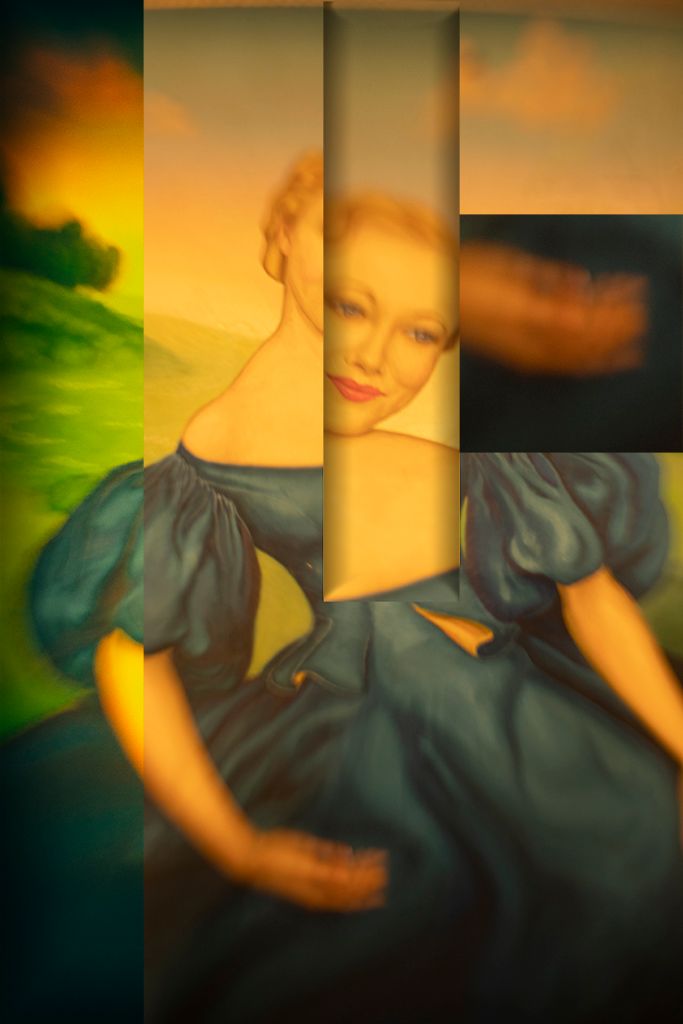
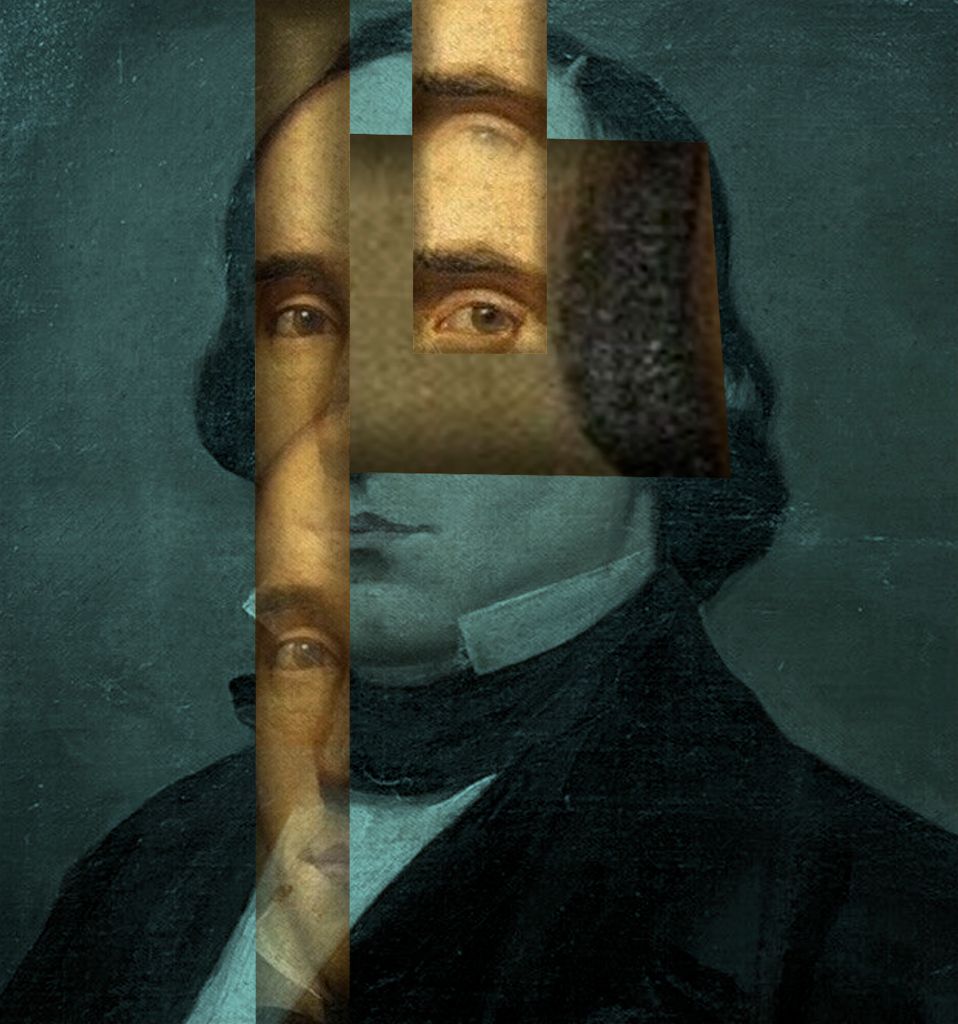
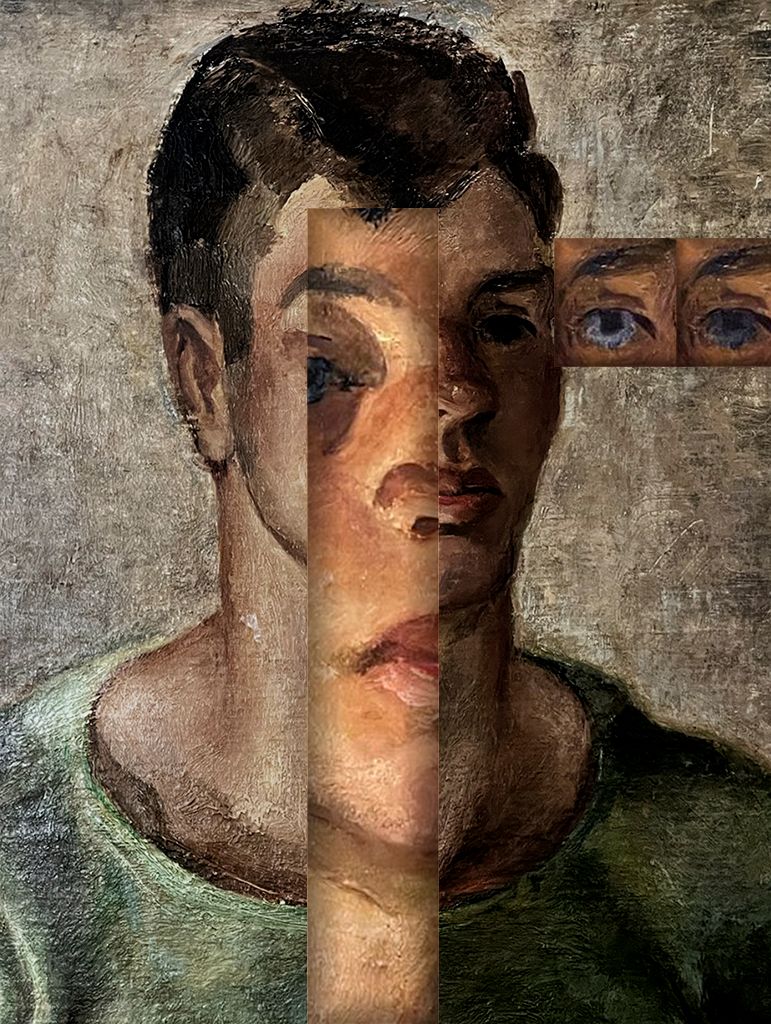
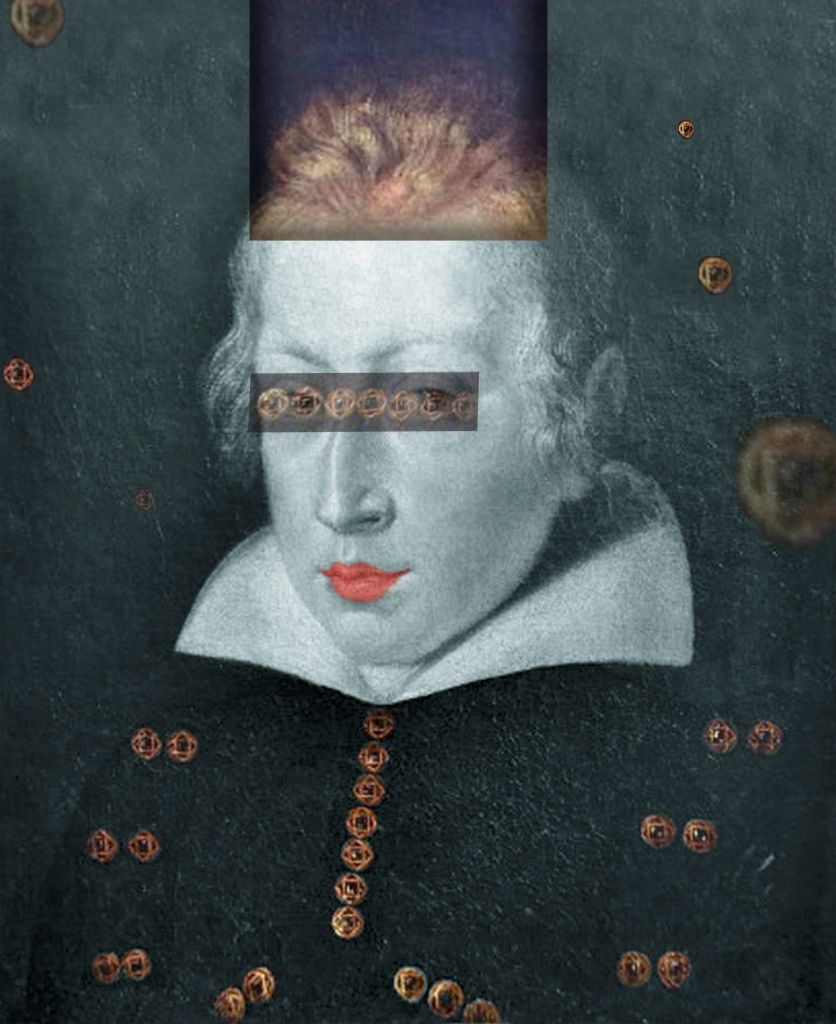
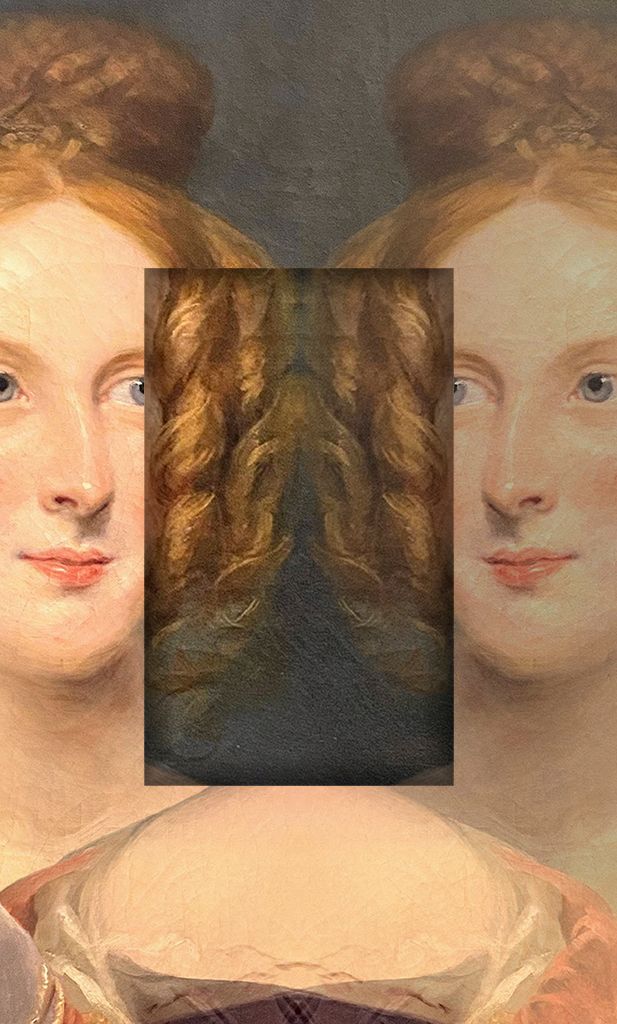
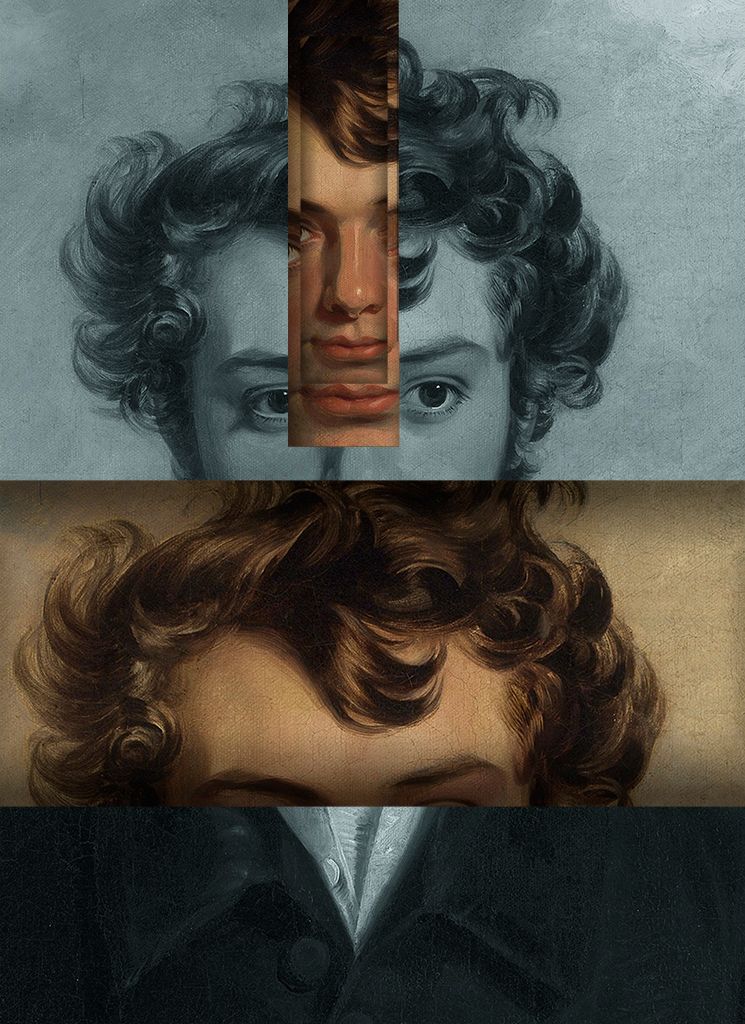
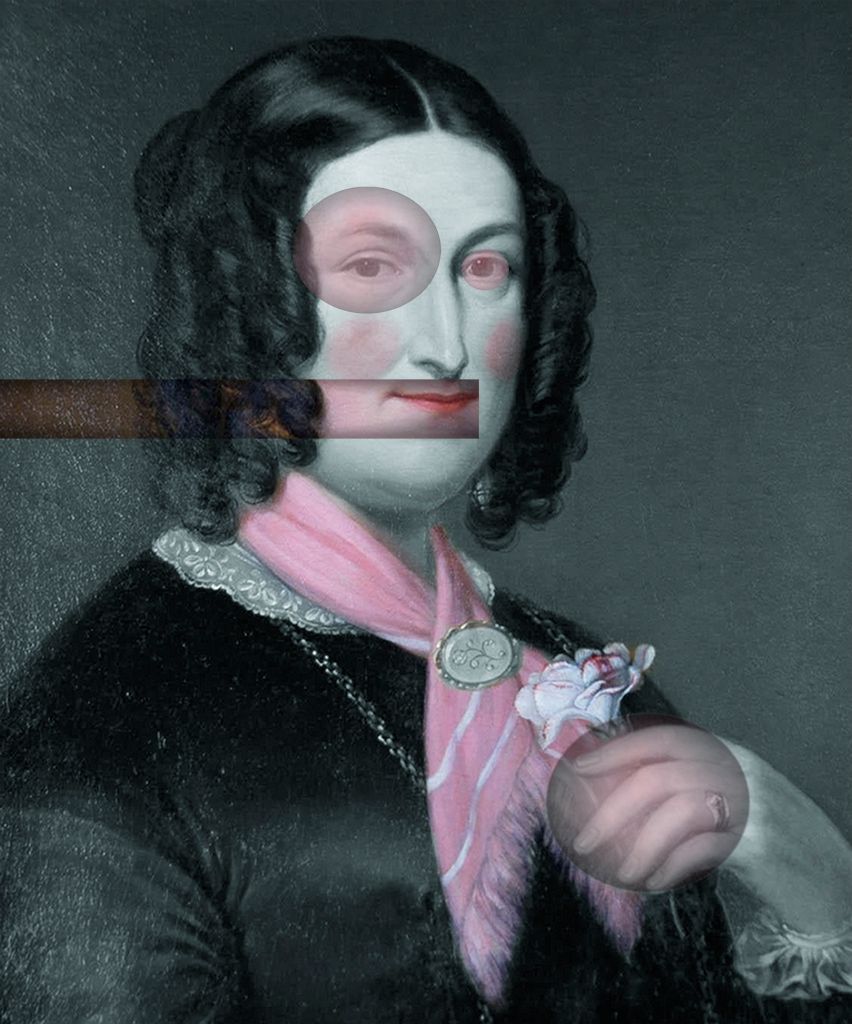
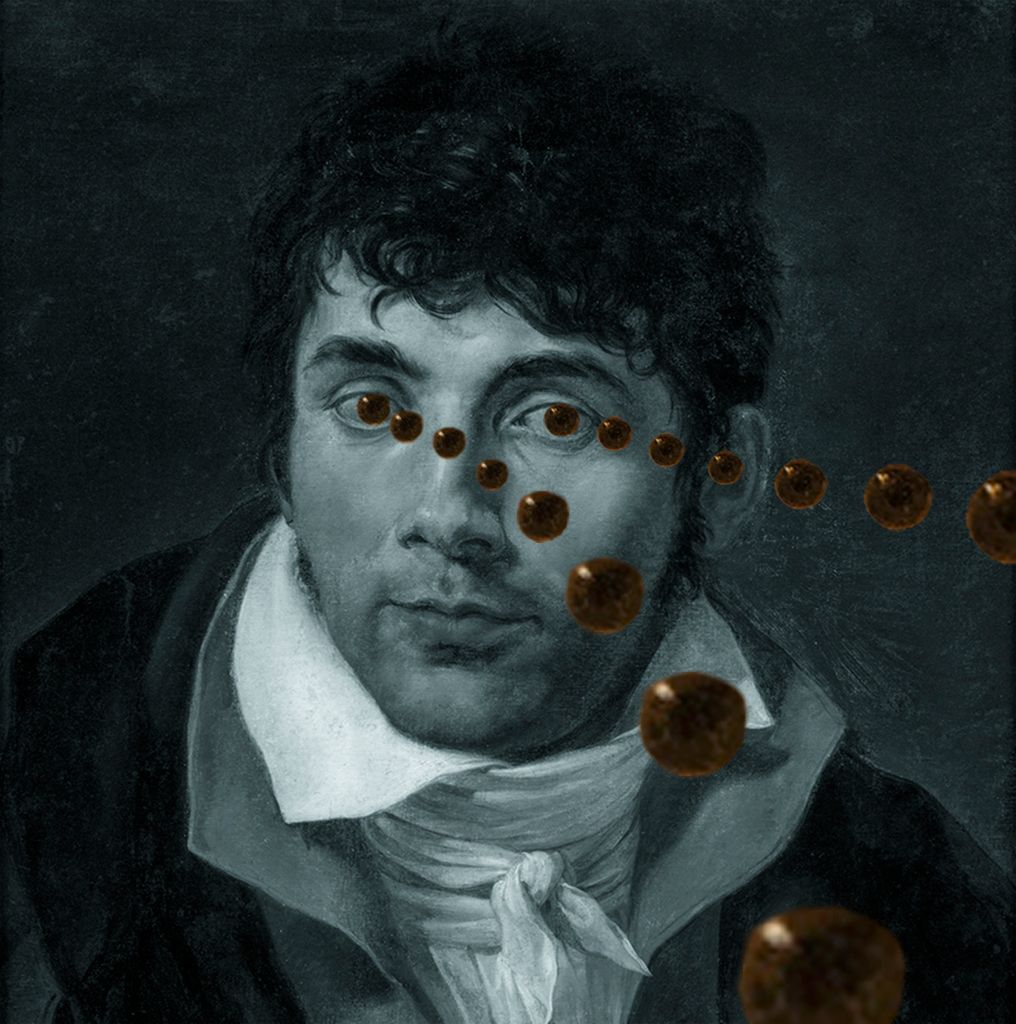
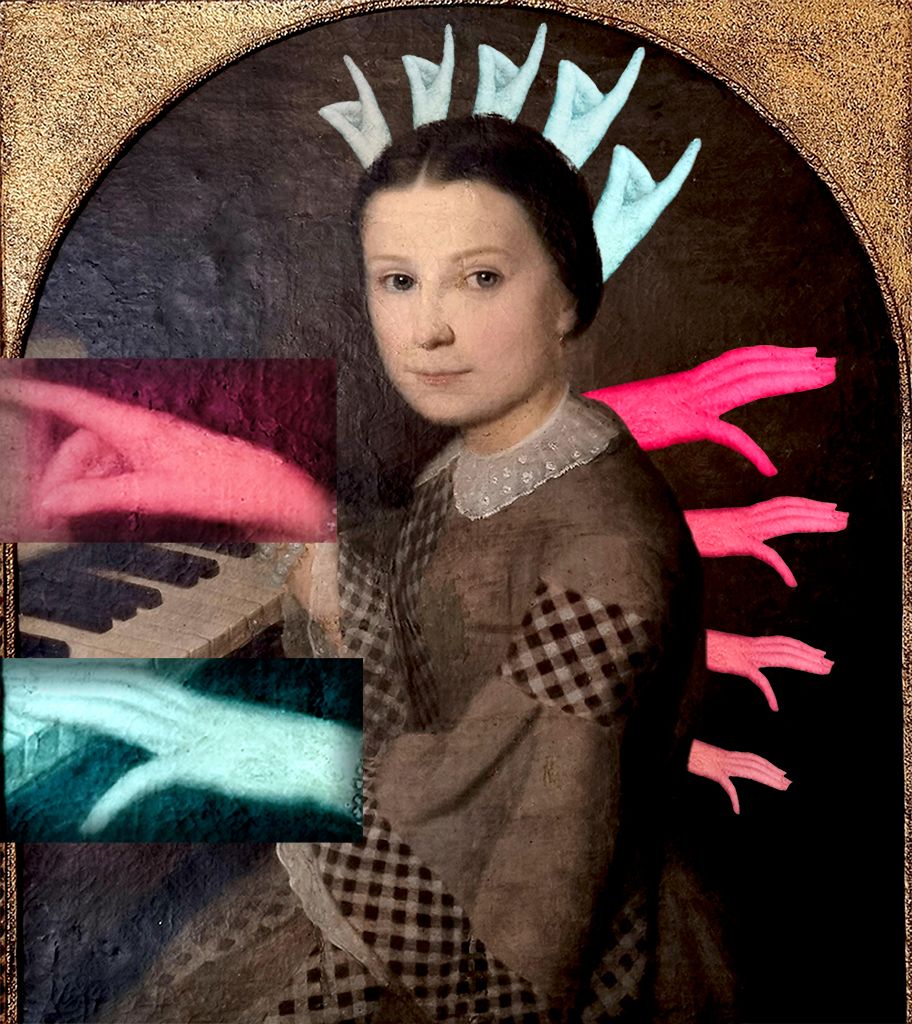
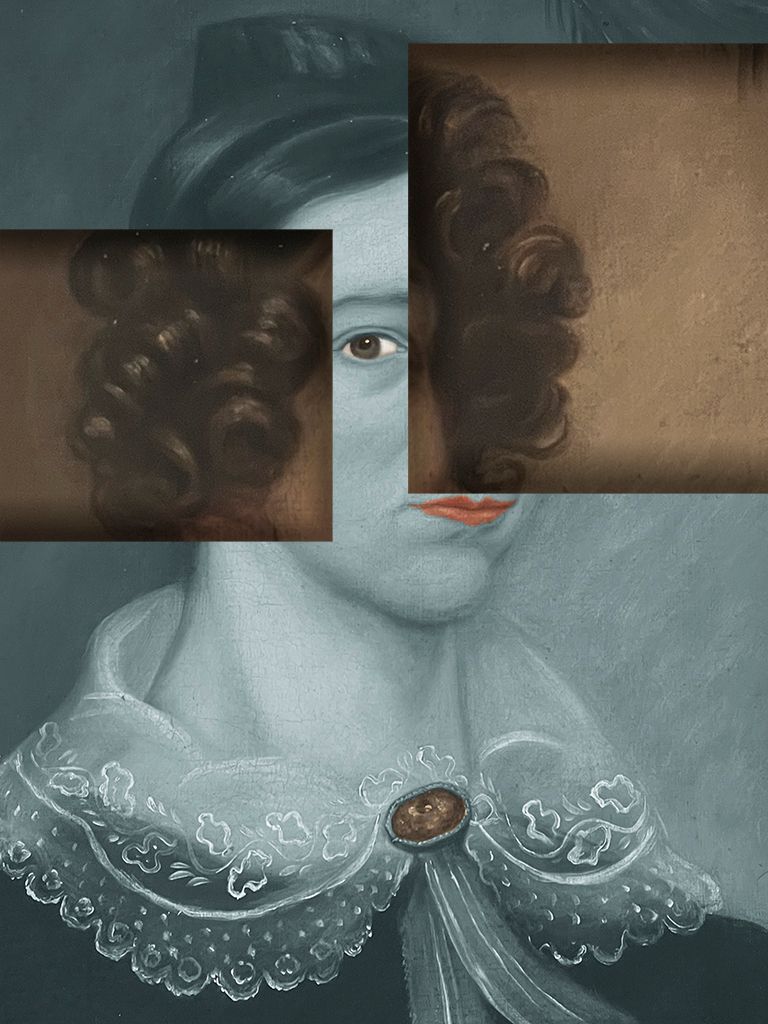
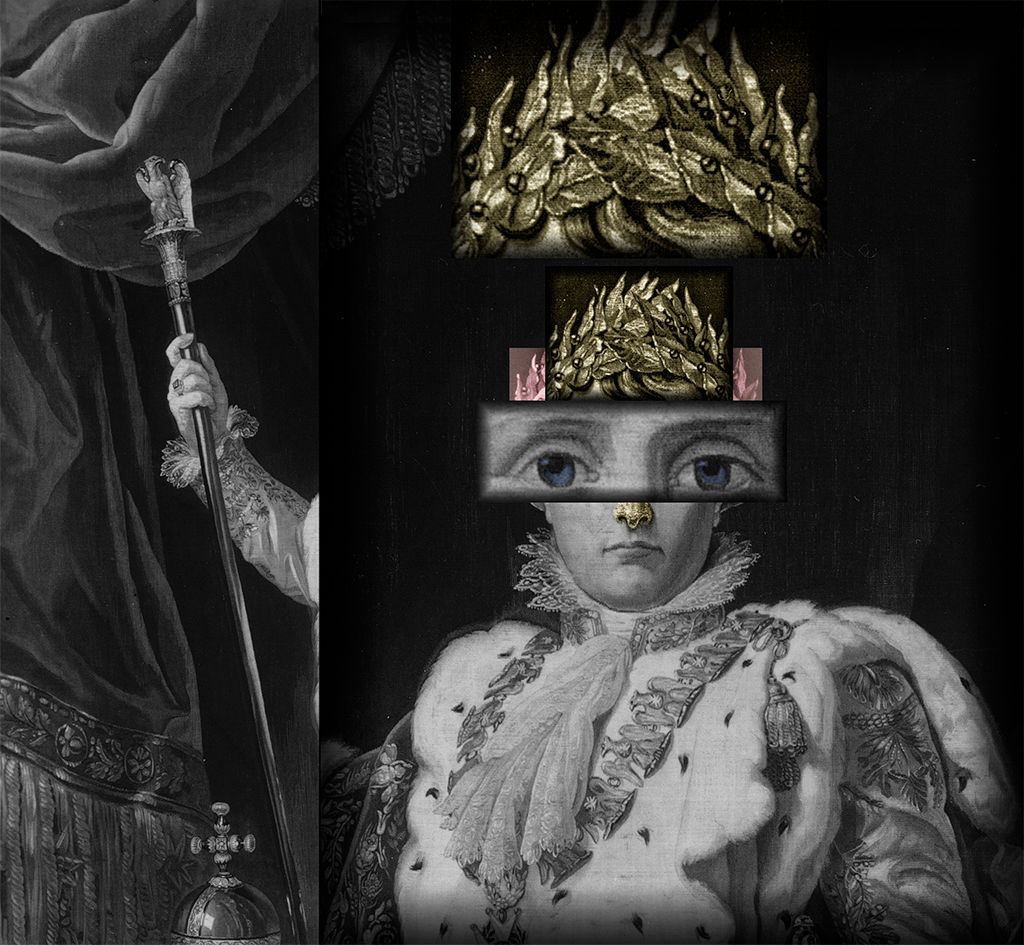
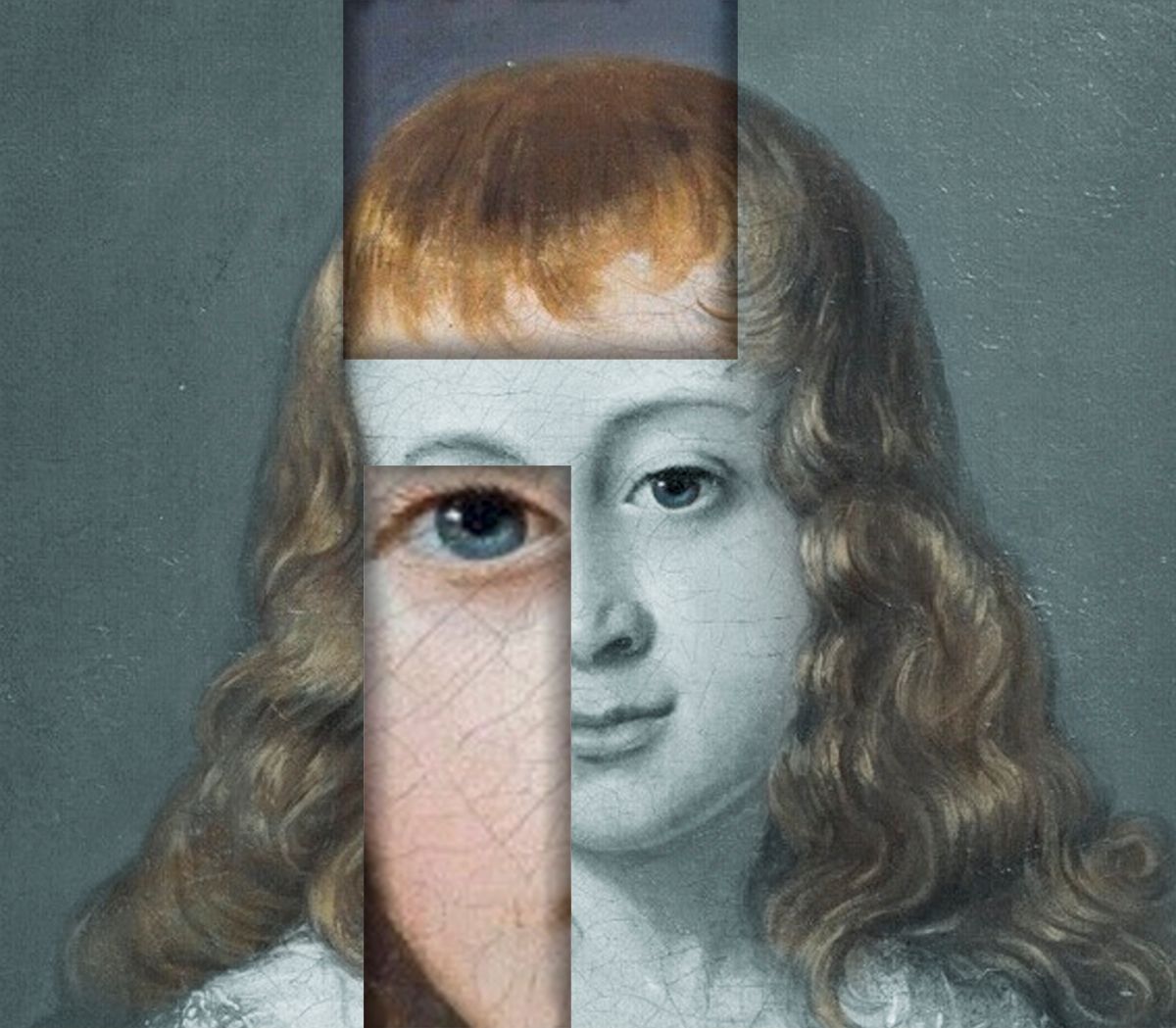
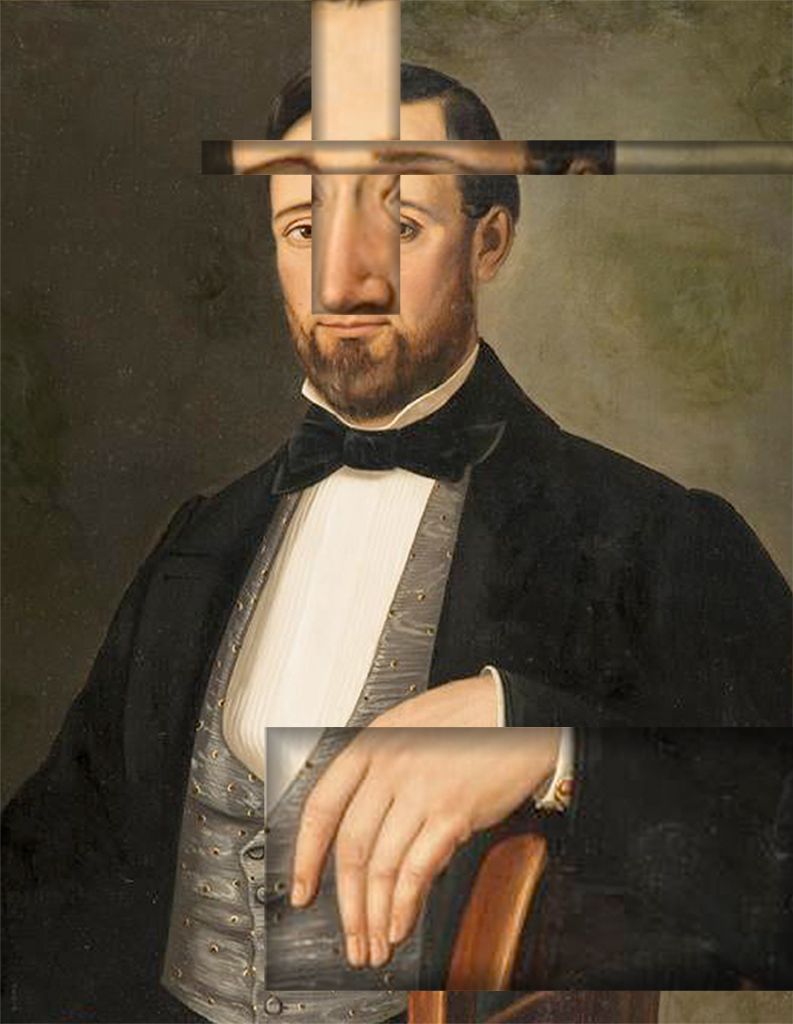
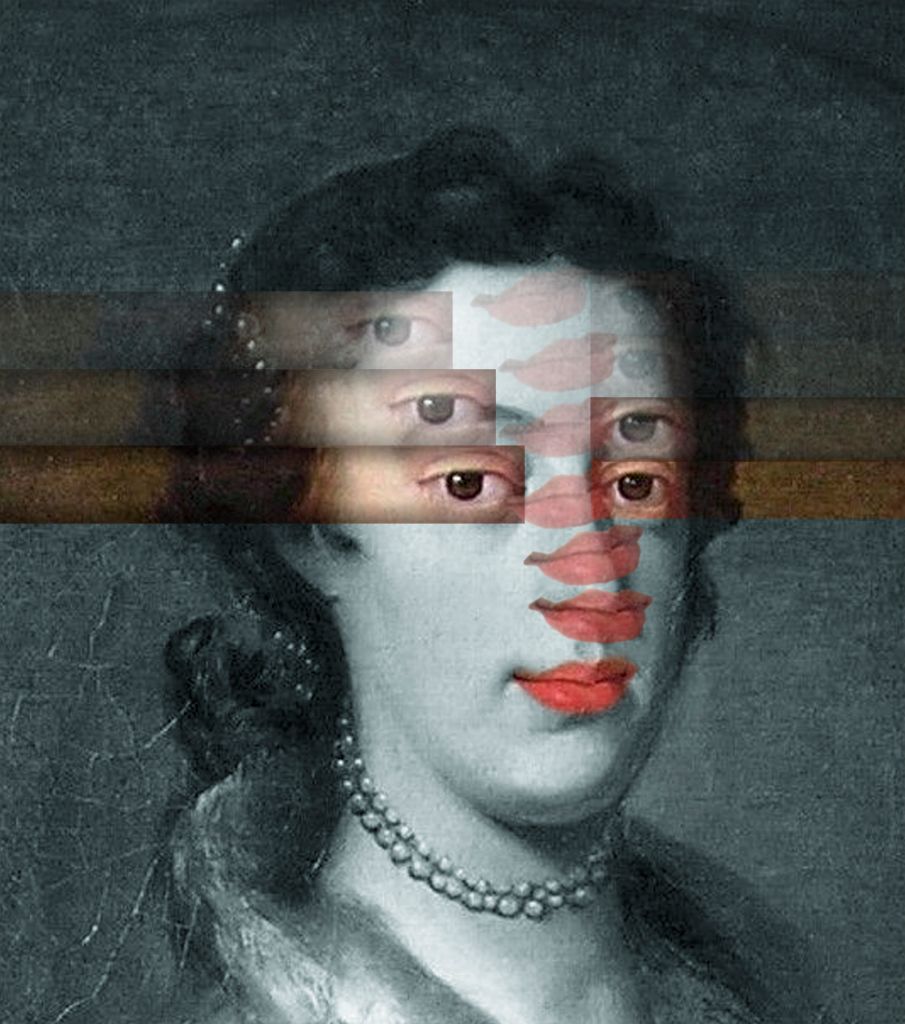
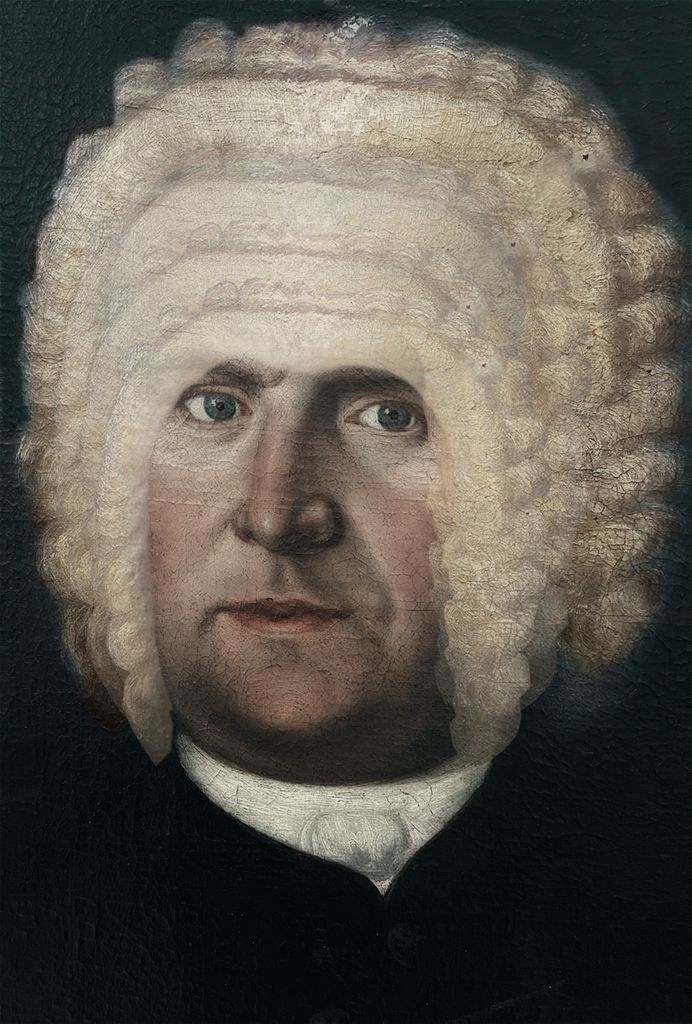
"As I See It” is a series that examines and reproduces the fact (according to neurological studies I've read) that our brains, as a survival mechanism, can only process a few things at a time. Thus, most of the information we take in visually is thrown out, and/or given less prominence in order not to overwhelm our senses. Only the most life-saving details will be relayed—“Will this eat me? Kill me?” “Can I let down my guard?” Armed with this new information, two years ago I began to observe everyone around me differently. It’s definitely a more primal, in-the-moment, conscious way to take in the world. Of course, I’m kidding myself. I can’t possibly know how my brain is processing visuals as opposed to how my eyes are processing them. I can only guess, so that’s what I’m doing with this body of work.
In the beginning of “As I See It,” I first looked at portraits of faces for very long periods of time. Then, I would interpret which portions of these portraits made the most impression and evoked the most emotion out of me. I began to shorten the period of observing time, until I got to the point where I could pick out the salient features of a face almost immediately. I then translated these impressions into the tactile language of my eyes by giving certain areas of each portrait more prominence, either by rotating or enlarging a section, segmenting/vignetting other sections, or by selectively colorizing. It was an almost unconscious process, in that when I began I didn’t know which features of a portrait might elicit strong emotion. I found out just a simple upturn of the lips began to resonate consciously in me that that person wasn’t threatening.
This body of work affirmed in me the never-ending wonders of our living world and the varied, yet unified nature of the beings who reside here on Earth. I credit David Attenborough for fine-tuning my observational qualities.